
Anger Management for Kids Activities in Deer Park, TX
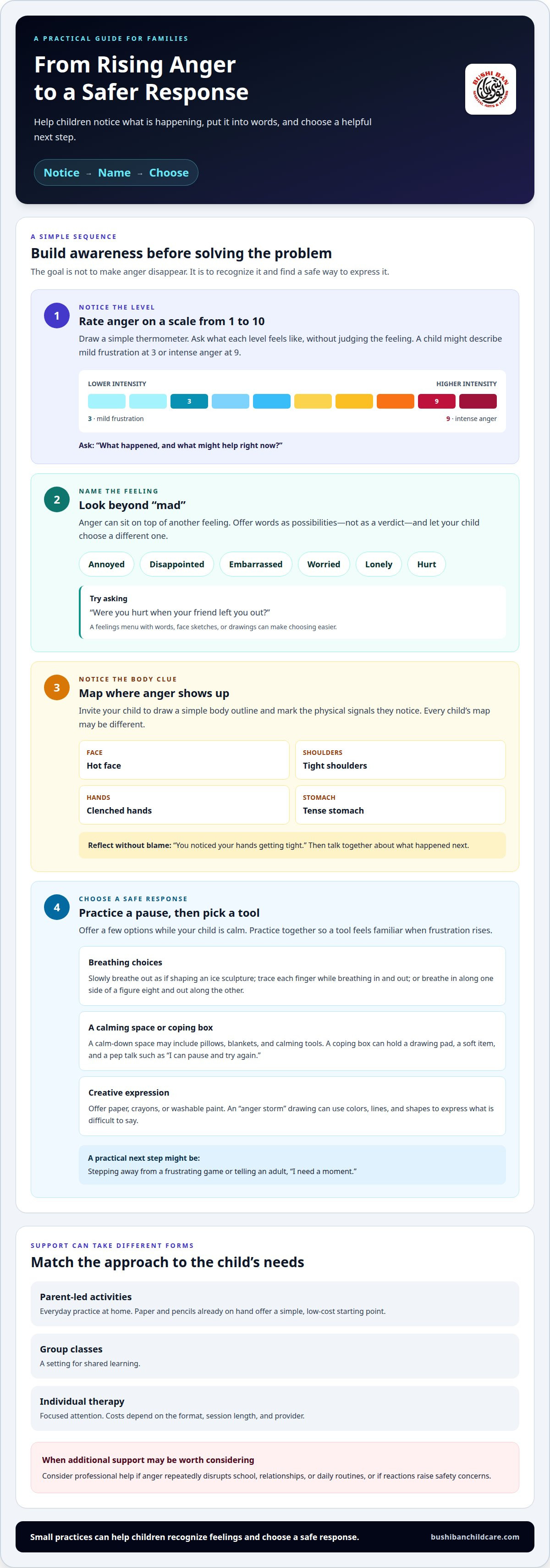
When anger rises, help your child notice it before trying to solve the problem. Anger management activities for kids in Deer Park, TX can make that practical: use a simple scale from 1 to 10 to identify anger levels, name the feelings underneath, notice body signals, and express emotions through art. These steps give children clear ways to understand what they’re experiencing.
When a child feels overwhelmed, the goal isn’t to make anger disappear. It’s to help them recognize it and choose a safe way to express it. These anger management for kids activities build feelings vocabulary, connect emotions with body cues, and offer creative ways to communicate, along with simple calming practices children can try when they need a pause.
Table of Contents
Using a scale to recognize anger levels and coping strategies
Families looking for anger management for kids activities in Deer Park, TX can start with a simple thermometer. Draw a scale with 1 at the bottom and 10 at the top. Ask your child what each level feels like, such as mild frustration at 3 or intense anger at 9. The goal isn’t to judge the feeling; it’s to notice rising emotions early. Once your child chooses a number, ask what happened and which coping step might help. This connects awareness with practicing self-control.
Offer a few strategies, then let your child choose one to practice while calm. Try slowly blowing out as if shaping an ice sculpture, tracing each finger while breathing in and out, or breathing in along one side of a figure eight and out along the other. A coping box can hold a drawing pad, a soft item, and a pep talk such as, “I can pause and try again.” Practice using it before frustration peaks. The U.S. Government Publishing Office describes school activities such as taking time and raising a hand as ways to pause before responding.
Choose support that matches your child’s needs: parent-led activities offer everyday practice, group classes support shared learning, and individual therapy provides focused attention. Families exploring anger-management activities for kids in Deer Park, TX, can start with a homemade scale and breathing practice. Choose activities your child can understand. Costs depend on the format, session length, and provider. Paper and pencils you already have at home offer a simple, low-cost starting point.
Useful activities include rating anger, practicing a pause, and rehearsing a calming breath. Parents can role-play a frustrating moment, then let the child choose a tool. For therapist-led support in Deer Park, seek child mental-health care focused on anger and emotional regulation. Consider professional help if anger repeatedly disrupts school, relationships, or daily routines, or if reactions raise safety concerns.
2. Building children's feelings vocabulary
Children need words beyond “mad” to explain what’s happening. Try a feelings word bank with annoyed, disappointed, embarrassed, worried, lonely, and hurt. After a disagreement, invite your child to choose a word that fits. If a toy breaks, “disappointed” may describe the first feeling, with anger following. Naming each emotion helps separate the problem from the reaction, giving adults a clearer starting point for conversation and regulation.
Anger can sometimes protect more vulnerable feelings, such as hurt, embarrassment, or guilt. Instead of asking, “Why are you angry?” try, “Were you hurt when your friend left you out?” Then offer choices: frustrated, left out, or worried. Your child can reject those options and choose another word. Treat the label as a prompt, not a verdict. This helps children describe their feelings without being told what they feel.
Make a feelings menu together using paper, colored pencils, and face sketches. Add a word beside each face, then invite your child to point, say the word, or draw a situation. Use an everyday moment, such as a difficult school assignment, to practice: “I feel frustrated because this is hard.” Follow with, “What would help?” This connects naming an emotion with asking for support and considering a next step.
Puppets can help start challenging conversations. The Substance Abuse and Mental Health Services Administration notes that parents can use puppets to discuss conflicts, feelings, and possible solutions. Act out a brief scene: one puppet grabs a marker, and another says, “I feel upset because I was using it.” Pause and invite your child to suggest words or a fair response. Keep the focus on naming emotions and choices, not labeling a child as bad.
An emotional thermometer can help children notice and express what they feel, supporting self-awareness and problem-solving. Recognizing physical signs of anger can help them use coping skills before the feeling becomes harder to manage.
Offer children three go-to breathing techniques so they have options without feeling overwhelmed. They can practice slowly breathing out as if shaping an ice sculpture. They can also make a calm-down space with pillows, blankets, and calming tools.
Noticing where anger appears in the body
A body map helps children connect emotions with physical clues they can recognize. Give your child paper and colored pencils, then invite them to draw a simple outline. Ask where anger shows up: perhaps as a hot face, tight shoulders, clenched hands, or a tense stomach. Let them color each area and describe how it feels. Their map may look different from yours, and that difference makes the activity personal.
Use a recent, manageable example to explore the map. After a disagreement over a game, ask, “What did your hands or shoulders feel like?” If your child says their fists tightened, reflect the observation without blame: “You noticed your hands getting tight.” Then ask what happened next. This sequence helps children link a situation, a body signal, and a response, building awareness before anger becomes harder to manage.
Try a brief guided body scan when your child is calm. Invite them to notice one area at a time, such as their forehead, jaw, shoulders, hands, and stomach. Ask them to release tension in each spot, perhaps by lowering their shoulders or unclenching their hands. Keep the language simple and let your child pause if the exercise feels uncomfortable. This practice helps them notice and relax tense areas as they work on emotional regulation.
Make the body map useful beyond the drawing session. Your child can point to a familiar signal, such as a tight jaw, when words feel difficult. Agree on a next step together, such as stepping away from a frustrating game or telling an adult, “I need a moment.” Revisit the map after a calm conversation and add any new clue. Over time, children can recognize their early signals and connect them with a safe, practical response.
4. Art activities for expressing anger
Art gives children another way to express anger when words feel difficult. Offer paper, crayons, or washable paint, and let your child choose the materials. Invite them to make an “anger storm” using colors, lines, and shapes. They might draw sharp red marks for frustration or heavy blue clouds for sadness mixed with anger. Ask what they want to share about the picture, but don’t require an explanation. The child controls the story.
For children in second or third grade and older, try a “What’s Behind the Angry Mask?” activity. Have your child draw or decorate a mask showing how anger looks to others, then create its reverse side to represent the feelings underneath. They might draw embarrassment, disappointment, or worry behind a fierce expression. Ask an open question such as, “What might the mask be protecting?” Let your child pass, change the subject, or answer through drawing instead.
A comic strip can turn a difficult moment into a sequence your child can examine. Fold a sheet into panels and draw a frustrating event, the angry reaction, and a different possible ending. For example, a character whose block tower falls could stomp in the first panel, then ask for space or rebuild in the final panel. Focus on choices, not artistic skill. Stick figures and captions work well.
Store completed pictures in a folder so your child can revisit them during a calm moment. Ask which colors or details still feel true, and whether they’d change the ending. Respect their privacy, especially if a drawing feels personal. Ready to support your child’s growth through structured activities? Explore supportive programs that build confidence and self-expression alongside physical skills.
The What's Behind the Angry Mask? activity is recommended for children in 2nd or 3rd grade and older. Keep the invitation gentle: a child can choose what to show, leave parts unfinished, or return to the mask another time. You can respond to what they make without interpreting it for them, using a simple observation such as, “You used lots of lines here.”
A quiet, unhurried response gives your child room to decide whether to talk, draw more, or stop.
Bushi Ban Child Care
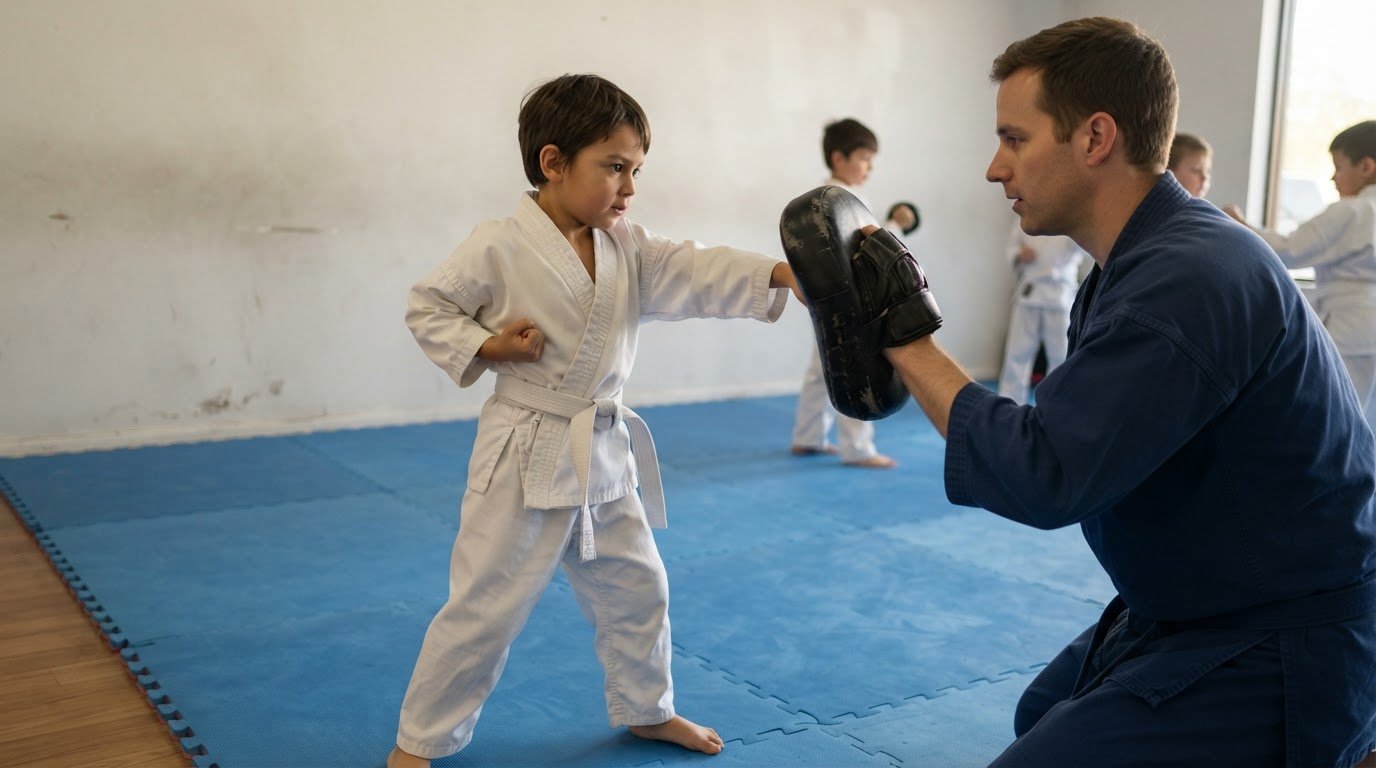
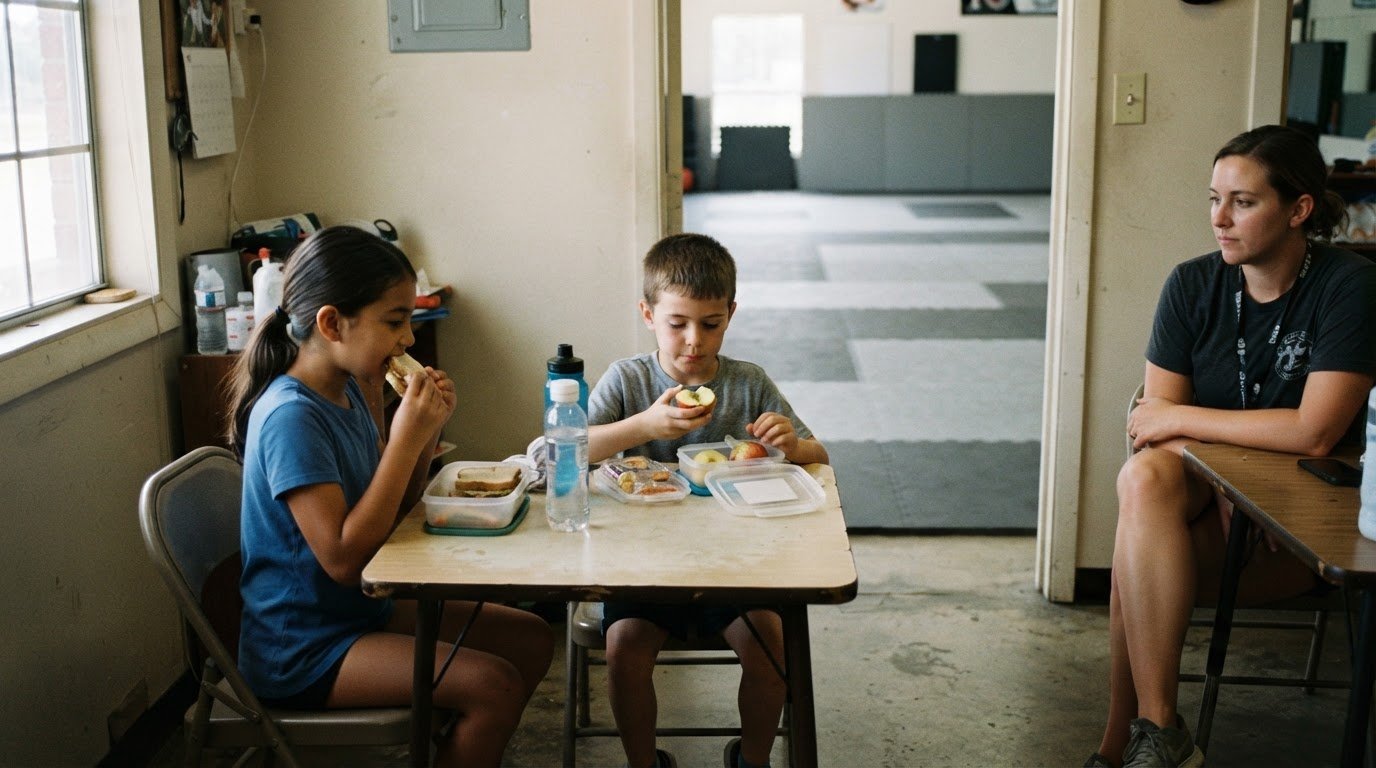
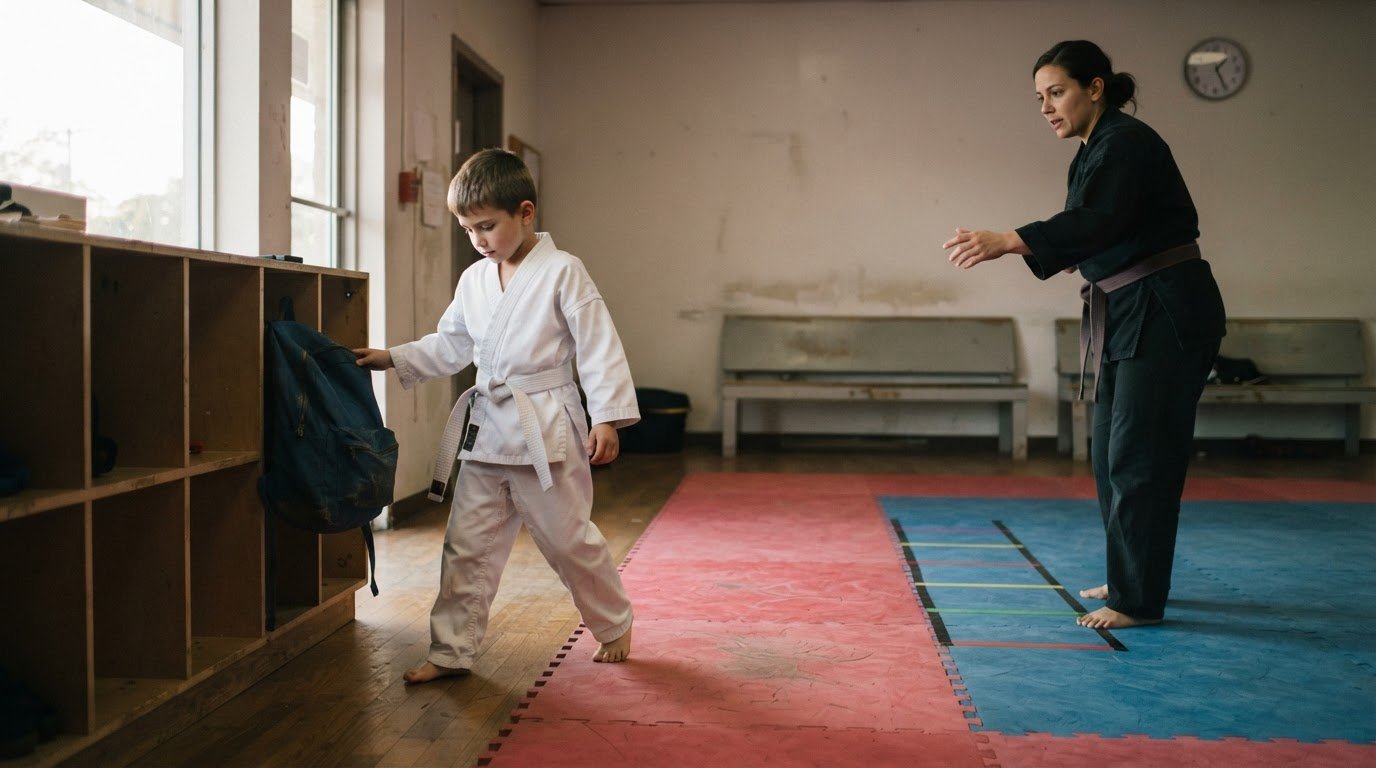
Bushi Ban Child Care offers a structured setting for children to practice focus, discipline, and confidence alongside the emotional skills families are building at home. Its After-School Martial Arts Program and Martial Arts & Fitness Classes provide opportunities to learn through movement, while the Student Leadership Program encourages students to develop leadership skills. Seasonal and Holiday Camps offer another setting for activities and personal growth.
These programs complement home activities, but they aren’t a substitute for individualized mental health care when a child needs it. Consider this next step if you’re looking for consistent opportunities to strengthen physical skills and self-discipline as part of your child’s routine. To discuss whether Bushi Ban Child Care may fit your family’s needs, contact Bushi Ban Child Care.
Keep building skills through everyday practice
Progress can begin with one small change: helping your child pause before reacting to frustration. Keep the next step manageable, and notice when your child tries a new way to communicate or recover. These moments are opportunities to encourage effort without expecting every difficult feeling to disappear. For parents exploring anger management activities for children in Deer Park, TX, a steady, supportive routine can make emotional skills part of daily life.
If you’d like to explore structured activities that complement your child’s growth, contact Bushi Ban Child Care. A thoughtful next step can help your family find approaches that fit your child and support continued confidence.
Frequently Asked Questions
What should I do with my anger?
Pause before acting, create space from the immediate conflict, and choose a response that keeps everyone safe. For example, put down the game controller, move to a nearby quiet spot, and tell a trusted adult, “I’m too upset to talk yet.” Once calmer, explain what felt unfair and consider a repair, such as returning a borrowed item or apologizing for hurtful words.
What's Behind the Angry Mask?
This creative reflection prompt helps children consider whether anger is covering another feeling or need. A child might seem defiant after losing a game while feeling embarrassed about making a mistake. Rather than deciding what the mask means, invite your child to share a thought or keep it private. Their interpretation can open a respectful conversation about what support would help.
Are there school or community programs for emotional regulation in Deer Park, TX?
Bushi Ban Child Care serves families in Deer Park with structured after-school martial arts and fitness programming. This enrichment option is not therapy or a dedicated clinical emotional-regulation program. For a child who needs mental-health support, school-based help and therapeutic care address different needs. Families can consider which type of support best fits their child’s situation.
Comments